Bahasa melayu
 中文
中文










What to Eat During the Flu? A Scientific Diet Guide to Boost Immunity and Recovery
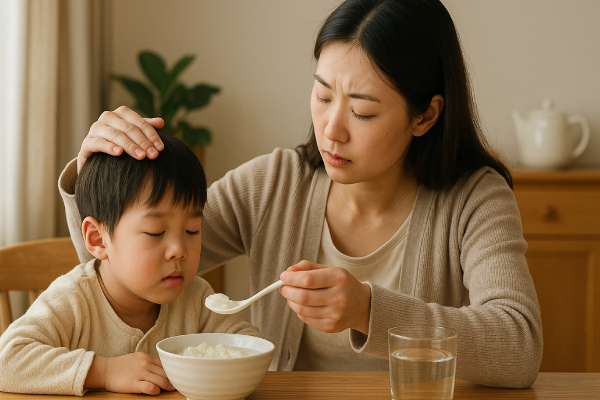
Parents’ Concerns and Common Misconceptions
Every flu season, parents worry when children develop fever, cough, and loss of appetite. Many immediately think: will my child become weaker if they don’t eat enough? Should I give them strong tonics to “boost” recovery? In reality, the key to flu nutrition is not heavy supplementation, but choosing the right foods that help the body fight infection, relieve discomfort, and recover faster. Eating the right diet is an important part of flu care.
Key Considerations for Flu Nutrition
Risk of Dehydration
Flu often comes with fever, sweating, vomiting, or diarrhea, all of which lead to fluid loss. If children refuse to drink, they are more prone to dehydration. This not only worsens illness but also affects medicine absorption and slows recovery.
Digestive Burden
During fever and fatigue, digestion becomes weaker. Heavy, oily, or spicy foods may cause indigestion, vomiting, or diarrhea, making recovery harder.
Nutritional Needs
The immune system requires extra support during infection. Nutrients such as vitamin C, zinc, protein, and probiotics help immune cells function properly and speed recovery.
Recommended Foods During the Flu
Hydrating Drinks
- Warm water and electrolyte drinks: Replace lost fluids and electrolytes.
- Chicken broth or clear soup: Provides fluids and amino acids, soothes respiratory discomfort.
- Ginger tea or honey lemon water: Relieves sore throat and improves nasal congestion.
Easy-to-Digest Staples
- Rice porridge, congee, or noodles: Gentle on the stomach, easy to swallow.
- Mashed potatoes or steamed pumpkin: Soft texture, rich in complex carbs and vitamins.
Immune-Boosting Foods
- Vitamin C-rich fruits: Oranges, kiwis, strawberries, papaya.
- Vegetables: Spinach, broccoli, red peppers, rich in antioxidants.
- Garlic and turmeric: Anti-inflammatory and antiviral properties.
- Yogurt: Provides probiotics to support gut health and immunity.
Symptom-Relieving Snacks
- Fruit popsicles: Soothe sore throat and hydrate.
- Oatmeal: Smooth texture, provides gentle energy and fiber.
Foods to Avoid During the Flu
- Fried and high-fat foods: Burden digestion, increase fatigue.
- Sugary foods: Cause blood sugar spikes, reduce immune efficiency.
- Coffee and strong tea: Caffeine may worsen dehydration.
- Cold and irritating foods: Can worsen throat pain and cough.
Flu Diet: What to Eat and What to Avoid
| Recommended Foods | Benefits | Foods to Avoid | Risks |
|---|---|---|---|
| Chicken soup | Provides protein, relieves nasal congestion | Fried foods | Hard to digest |
| Oranges, kiwis | Rich in vitamin C, boost immunity | Sugary drinks | Suppress immune function |
| Oatmeal | Easy to digest, gentle energy source | Ice cream | Irritates throat, worsens cough |
| Yogurt | Provides probiotics, supports gut health | Caffeinated drinks | Increases dehydration risk |
Diet Suggestions for Different Flu Stages
Fever Stage
Stick to liquids: warm water, electrolyte drinks, clear soups. Avoid digestive burden.
Post-Fever Stage
Gradually add soft staples like congee, rice soup, steamed pumpkin, with small amounts of vegetables.
Recovery Stage
Include protein and probiotic foods like fish porridge, yogurt, and beans to rebuild strength and immunity.
Simple Recipe Recommendations

Recipe 1: Chicken Rice Porridge
Chicken rice porridge is nutritious, hydrating, and easy to digest, perfect for flu recovery.
Quick Method
- Prepare ingredients: Clean chicken, cut into small pieces. Soak rice. Chop scallions.
- Cook base porridge: Simmer rice in water until soft.
- Add chicken: Cook for 10 minutes until meat is done.
- Season: Add salt and pepper.
- Serve: Garnish with scallions.
Detailed Method
- Trim chicken leg of fat and skin, clean, and chop.
- Soak rice for 1 hour for easier cooking.
- In a pot, add 10–13 times water with chicken and ginger slices. Boil, skim foam, then simmer for 40 minutes.
- Add soaked rice, simmer 30–40 minutes until porridge thickens.
- Season with salt. Shred chicken or add beaten egg for variety. Top with scallions.
Tips: Blanch chicken before cooking for a clearer broth. Add goji berries or cilantro for extra nutrition.

Recipe 2: Steamed Pumpkin with Ginger
This soft, warming dish is ideal for sore throats and poor appetite.
Ingredients: 200 g pumpkin, shredded ginger, pinch of salt (optional).
Steps
- Wash and cut pumpkin into chunks.
- Peel and shred ginger.
- Place pumpkin with ginger in a dish, sprinkle salt.
- Steam in a rice cooker with one cup of water until soft.
- Mash into puree with a fork.
Tips: For smoother texture, blend with the skin. Pumpkin seeds can also be steamed and eaten for extra nutrients.
FAQ: Common Questions About Flu Diet
What is the best drink for hydration during the flu?
Warm water is safest and most effective. If children dislike plain water, try clear soup, electrolyte drinks, or diluted warm fruit juice. Avoid caffeinated and sugary drinks, which can burden the body.
What should children eat if they have no appetite during fever?
Loss of appetite is common. Do not force-feed. Offer small portions of light, easy-to-digest foods like rice porridge, soup, or mashed potatoes. Prioritize hydration first; nutrition can follow gradually.
Can garlic really prevent colds or flu?
Garlic contains allicin, which has antibacterial and antiviral properties. It can support immunity but is not a cure. Use garlic as a dietary supplement, not as medicine.
Which foods are best for boosting immunity?
Vitamin C fruits (oranges, kiwis), dark green vegetables (spinach, broccoli), probiotic foods (yogurt), and zinc-rich foods (nuts, grains) all support the immune system. Balanced diets are key.
How long after the flu can children return to a normal diet?
Most children can return to regular meals about a week after fever subsides. If cough, diarrhea, or poor appetite persist, continue a light diet and gradually expand variety. If symptoms last over two weeks, seek medical care.
Can children drink milk during the flu?
Milk does not worsen flu, but some children may feel more mucus. If uncomfortable, switch to yogurt or other calcium-rich, easier-to-digest foods.
Is taking vitamin C supplements better than eating fruit?
Supplements can help, but fruit provides fiber and antioxidants as well. Fresh fruit is preferred if tolerated; supplements are secondary.
Does ginger or ginger tea really help with flu symptoms?
Ginger has warming and anti-inflammatory effects. Ginger tea can soothe sore throats and nasal congestion. It is a helpful supplement but not a substitute for medical treatment.
Call to Action
Flu nutrition is as important as medicine. Choosing the right foods can ease symptoms and speed recovery. Parents can support their children’s health with simple, thoughtful dietary adjustments.
Start today,use healthy nutrition to protect your family’s immunity and make flu less of a burden.